

From selected finish to finished surface

Material & Making

A surface is understood through its appearance, the material beneath it, and the way it is applied. Keep those decisions connected as a project develops.

Discuss Your Surface
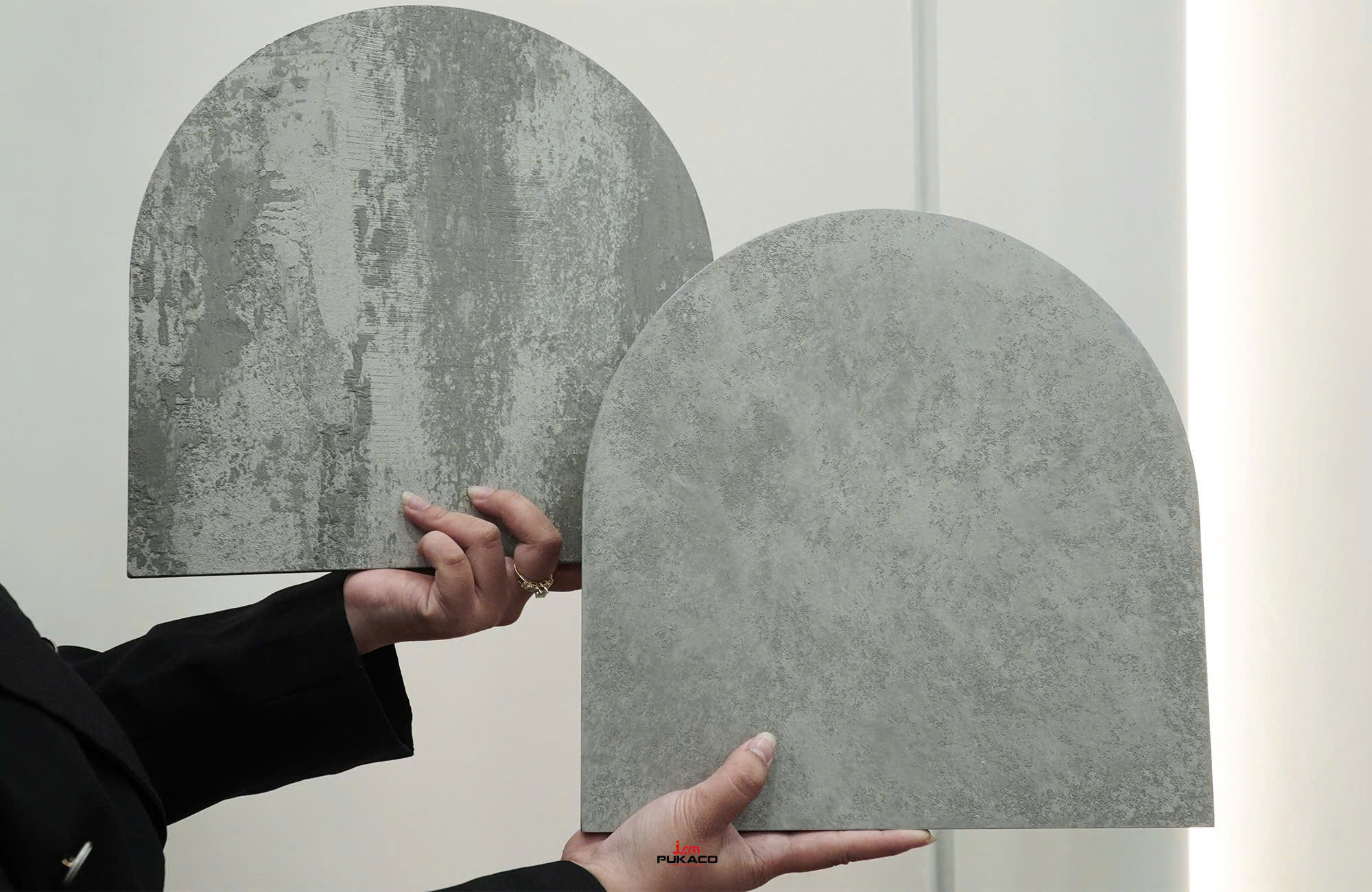
Hands hold two arched gray PUKACO finish samples with different surface textures.
Original PUKACO photograph / Two gray physical samples, held side by side.

From photograph to physical sample

Light. Touch.
Your setting.

Three ways to evaluate a finish. Original PUKACO sample photographs give each observation a tangible starting point.

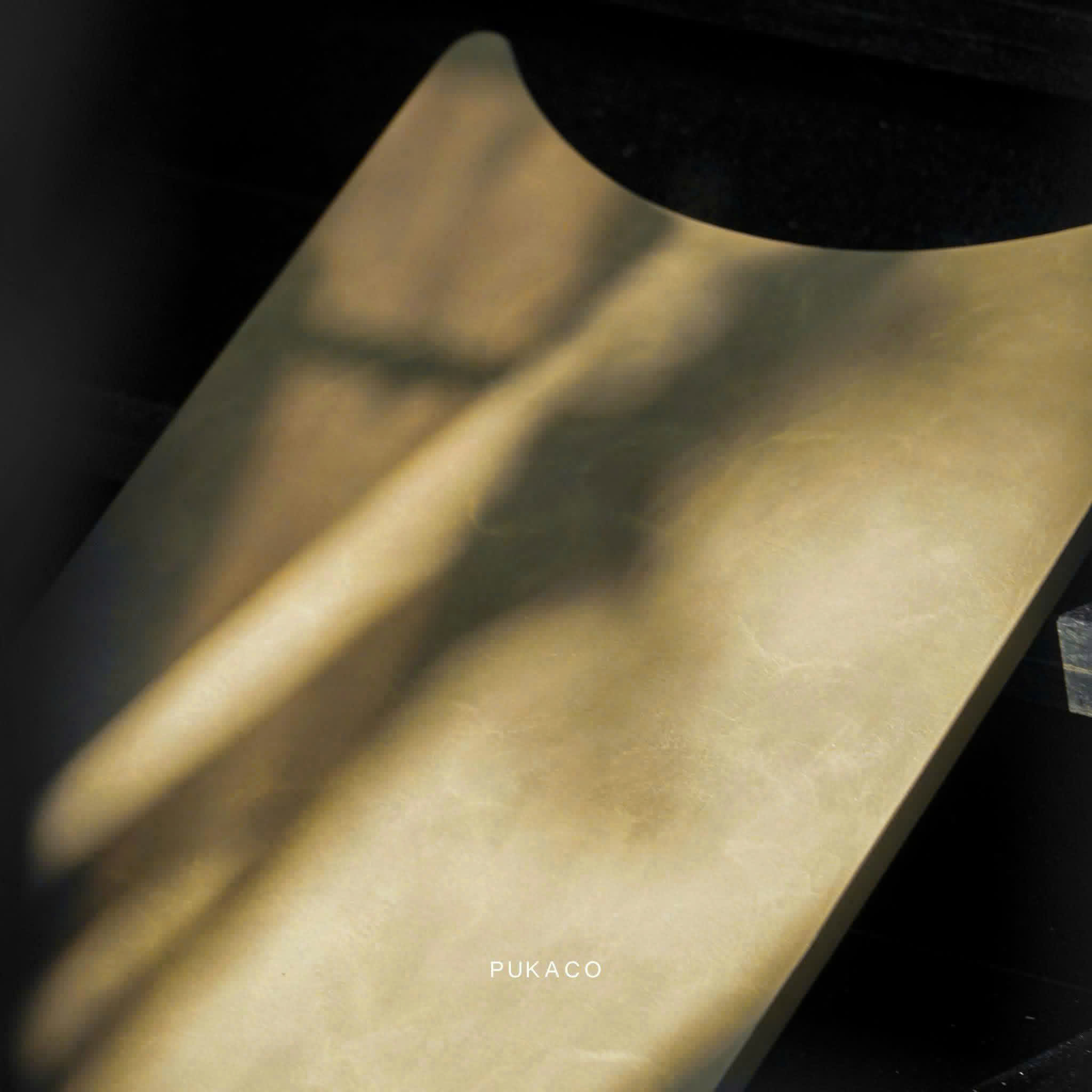
Original photograph of an ochre-toned sample with a curved cut edge, soft bands of natural light and shadow, and the original PUKACO watermark.

01 / Light

Follow the light.

Observe the same sample in daylight and under your planned room lighting. Note the tonal changes that matter to your choice.

Original PUKACO sample photograph.View full photograph
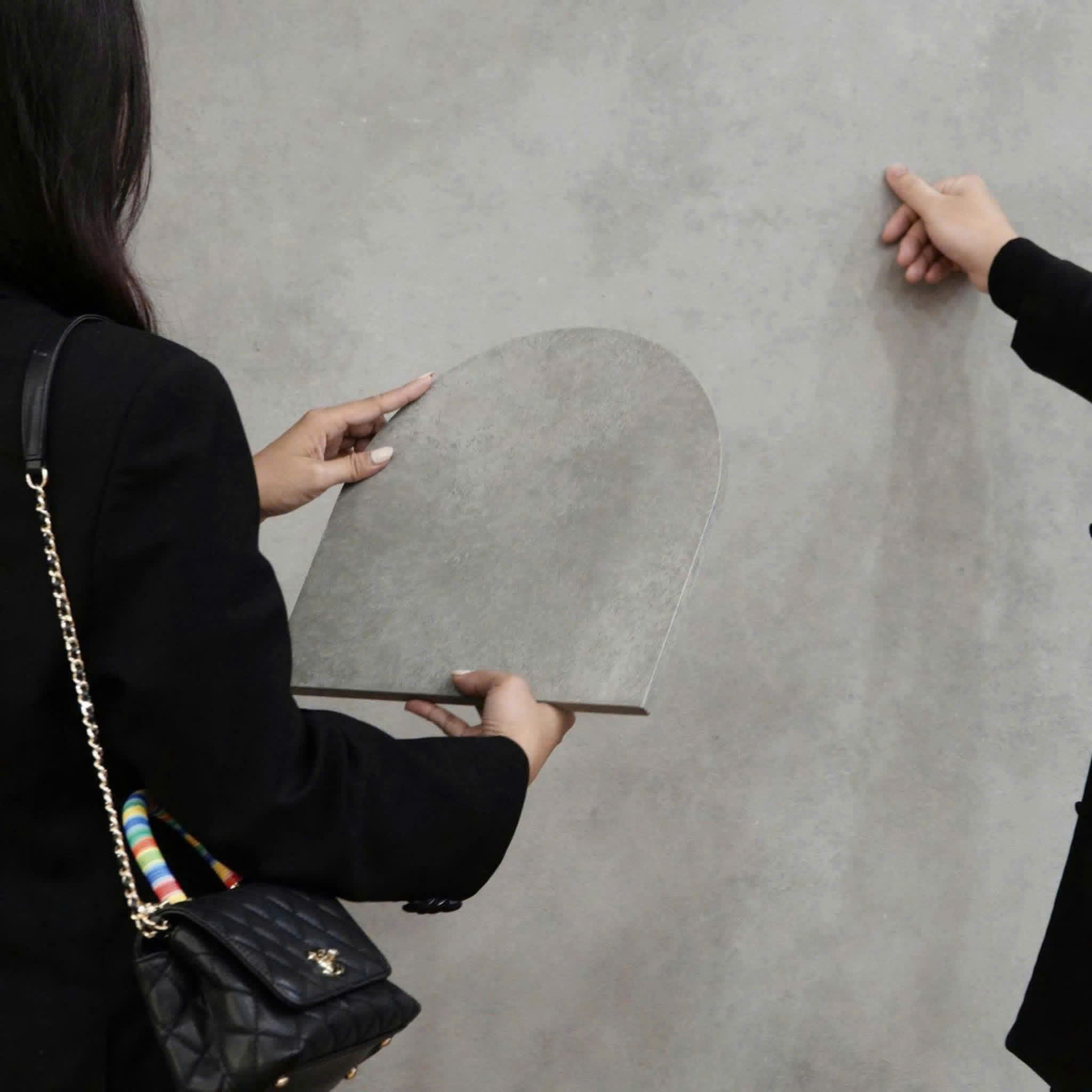
Detail from the original photograph of real hands holding a gray, round-topped physical finish sample against a larger wall surface.

02 / Touch

Bring scale into view.

Hold the physical sample against the surface you intend to finish. Consider the texture up close and at the distance you will usually see it.

Original PUKACO sample photograph.View full photograph
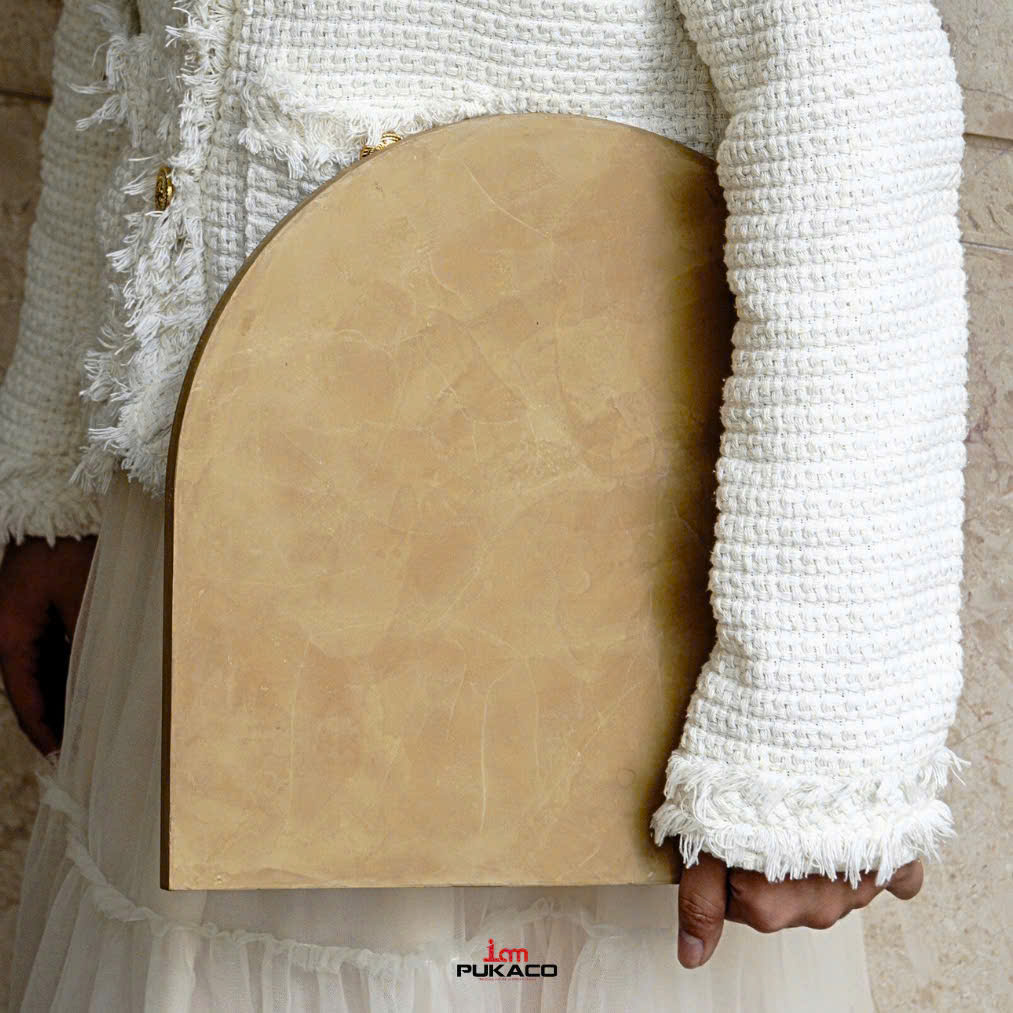
An ochre arched PUKACO sample rests against an ivory woven jacket.

03 / Your setting

Look at materials together.

Bring the sample beside your fabric, wood and other finishes. Compare their relationship before choosing a direction.

Original PUKACO sample photograph.
01

The appearance you select

Color and texture are easiest to discuss when a finish has a clear reference. Use the product line, effect or series, and code alongside an image or sample; retain alternatives as separate selections.

Explore the Finish Library
02

The surface you bring

A broad wall, a cabinet front, and a curved table base present different geometries. Describe the intended substrate and the areas to be coated so the application inquiry addresses the actual surface.

03

The method needs its own information

A visual effect does not provide an application recipe. Request the material instructions and discuss the intended system before planning preparation, application, or care.

Application Information
04

Keep a record of the decision

Retain the approved selection, the product references, and the relevant documents with the project. This helps connect sample comments, material inquiries, and later care questions.

Read the Sample Guide

Continue the conversation

Your next step.

Discuss Your Surface