

From visual selection to a clear brief

Architects & Designers

Bring color, texture, and application context together when specifying finishes for walls and furniture.

Request Finish Samples
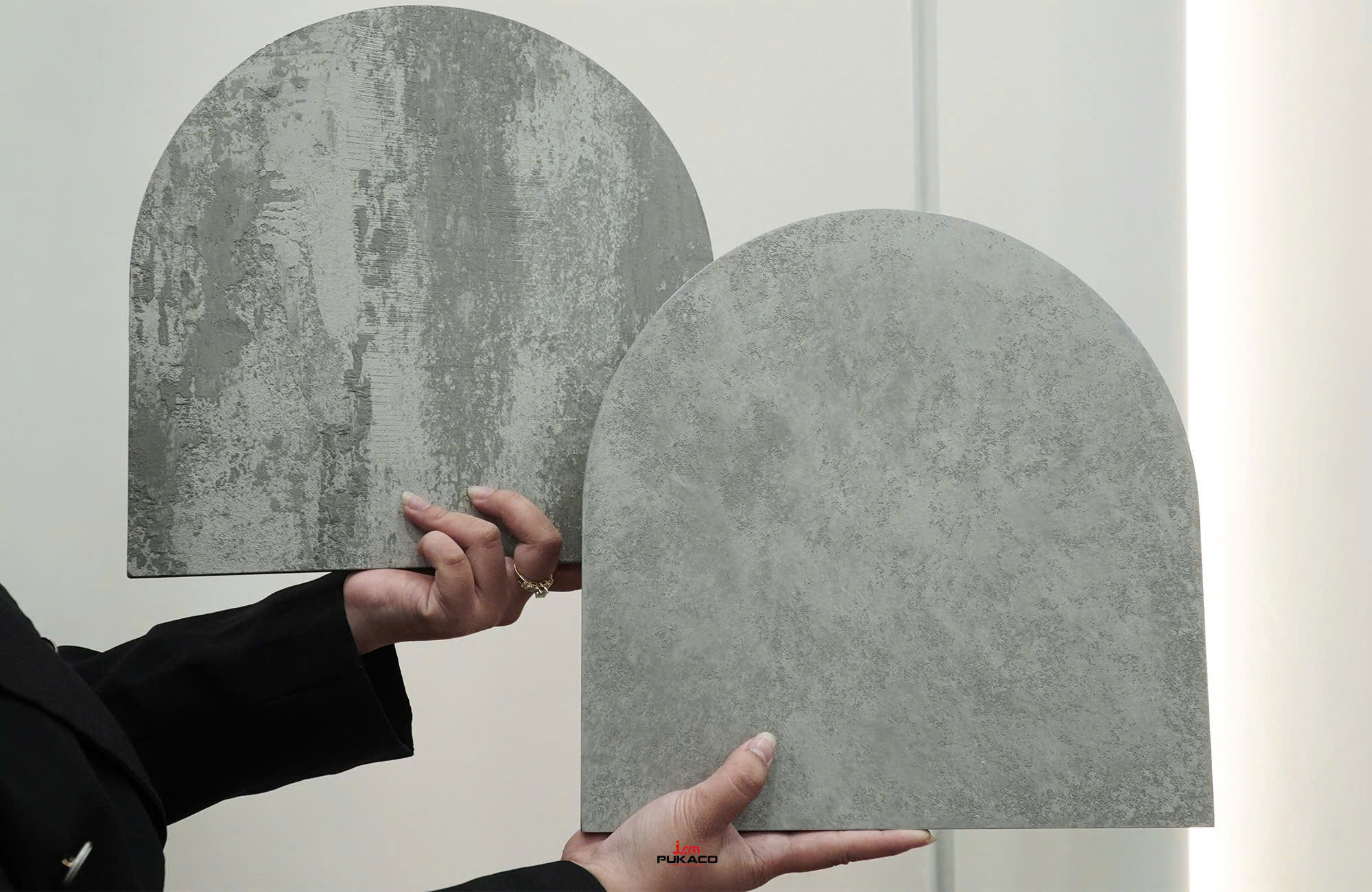
Hands hold two arched gray PUKACO finish samples with different surface textures.
Original PUKACO photograph / Two gray physical samples, held side by side.
01

Build a shortlist that can travel

Save each finish with its product line, effect or series, and code. Add a note about where you intend to use it, so the selection stays clear when shared with a client, fabricator, or applicator.

  • Separate a preferred finish from a reference image that only describes a mood.
  • Record whether the application is Walls, Furniture, or Both.
  • Keep alternate finishes identified individually.
Explore the Finish Library
02

Review the finish in context

Look at a physical sample alongside the adjacent materials and under the lighting planned for the space. For furniture, include the relationship between the finish, the edge, and the shape of the component in your review.

Read the Sample Guide
03

Prepare a specification inquiry

Include the surface or component, substrate if known, approximate coated area, project location, and schedule. Ask for product-specific documents before placing application instructions into a project specification.

  • Selected finish codes and any alternatives.
  • Wall or furniture substrate and existing coating.
  • Documents or performance questions needed for the project.
Request Technical Information
04

Keep the finish and material product connected

An appearance code identifies the finish you selected. A material product identifies what is supplied, including its name and pack size. Confirm the relationship when requesting a material quote.

Request a Material Quote

Continue the conversation

Your next step.

Request Finish Samples