

01
Start beside the materials it will meet
Place the sample with the flooring, upholstery, wood, metal, or other finishes in the scheme. Compare one relationship at a time, then return to the overall palette.
Journal · Selection
The same sample can be viewed in several conditions before you decide where it belongs. Use a simple, consistent comparison rather than relying on one photograph.
Request Finish Samples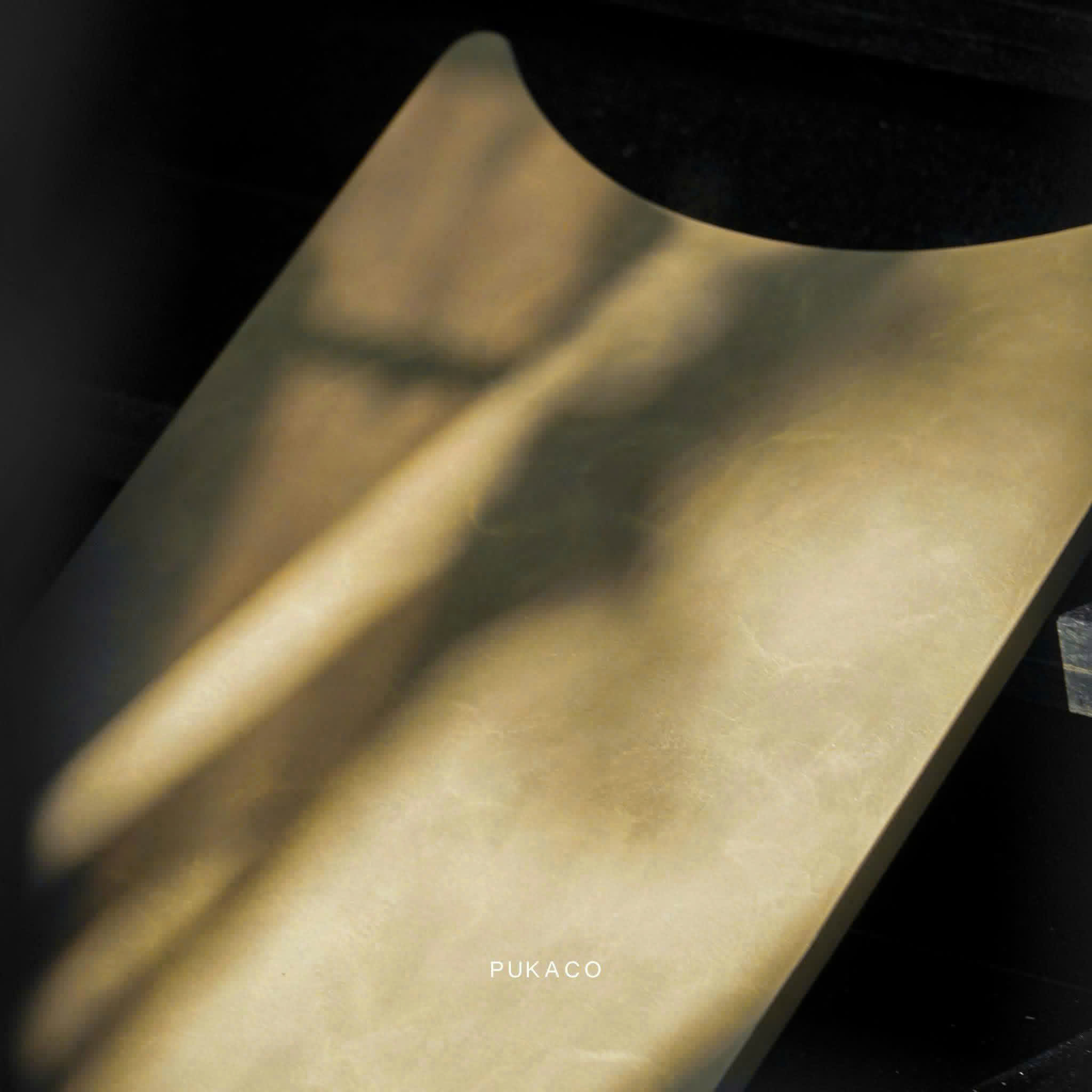
Place the sample with the flooring, upholstery, wood, metal, or other finishes in the scheme. Compare one relationship at a time, then return to the overall palette.
A wall is read across a space and close up. Furniture also presents edges, tops, and curves. Note which view is most important to the project instead of treating a small close-up as the whole decision.
Review the sample under the daylight and artificial lighting relevant to the space. Record observations with the finish code and the lighting condition so another person can repeat the comparison.
A photograph is useful for discussing a direction, but it does not replace the physical sample. Keep the sample reference with the images and identify the finish before requesting material information.
Read the Sample GuideContinue the conversation